How AI Image Generation Is Changing the Creative Workflow
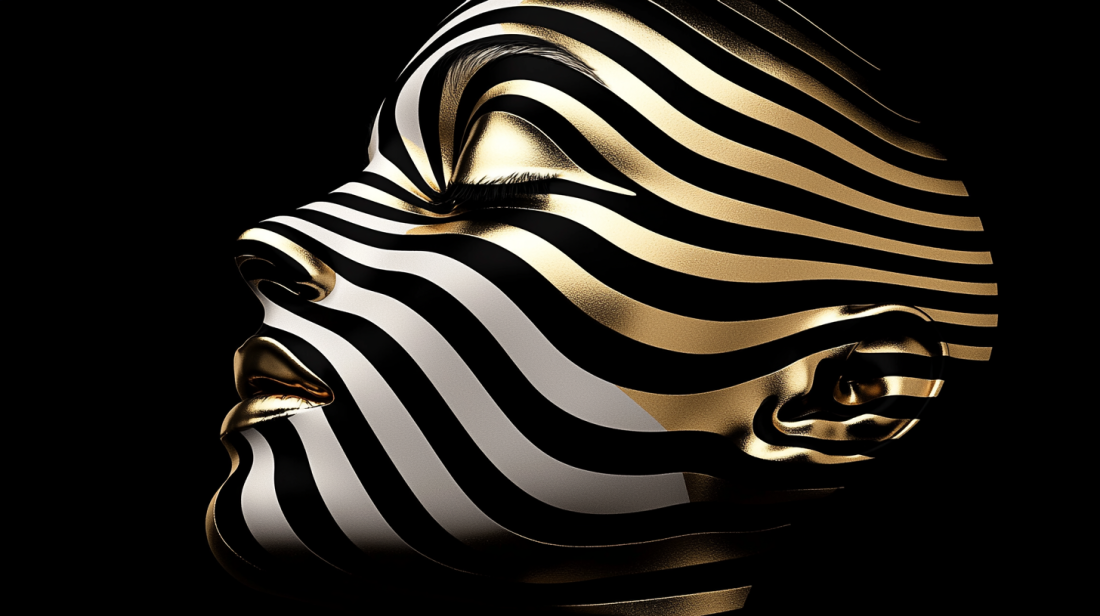
Creating visual content usually involves having the relevant design abilities, using image-editing software, accessing stock photo banks and dedicating sufficient time to produce an idea. Artificial intelligence is now changing this procedure by assisting creators to make visual concepts out of written descriptions in a much shorter time.
Artificial intelligence generated images may be used from initial idea development and concept sketching to social media campaigns and visual narratives. Rather than human creativity being replaced, these tools can enable creators to rapidly try out different ideas, styles and visuals matching some specific purpose or function.
Why AI Image Generation Is Becoming Part of Creative Work
Usually a creative project starts with the birth or conception of an idea, however, for it to really come off it has to be put into visuals. Historically, a creator may have found inspiration by going through stock images, made a design themselves, or enlisted a designer for a collaboration.
AI has brought about a lot of changes in the way the first steps are done. A person can just give a verbal image of what they have in mind be it a scene, an object, a style or a concept and a computer using this input will produce a number of visual options.
Therefore, such features allow creators to use the technology in the ideation phase very effectively. Instead of getting stuck spending hours searching for images matching a particular theme of theirs, creators can quickly review some options and choose the one to proceed with.
Nevertheless, the resulting picture should be finalized with a human hand on the wheel. Composition, relevance, accuracy, brand identity, and audience expectations are the key factors in a work of art.
How Text Prompts Turn Ideas Into Visuals
Another major advantage of AI image generation is the use of text prompts.A text prompt can basically serve as a guide for the type of image you want including what elements should be shown in the image, the kind of emotion you desire, where the scenario takes place, and even the type of visuals, sometimes.
Imagine a creator making a tourist advertisement and wanting to showcase a peaceful mountain scenery at the time of sunrise. A digital shop might find a well-structured clean product image a very good fit as a social media post. And of course, a teacher could make a visual that shows a difficult problem in a really simple way.In fact, when you give clearer instructions about what you want, the better the possibility to show exactly that concept.
Small details such as light and shade, surroundings, arrangement, central elements, and purpose are all things that may help to define the direction of the outcome, thus resulting in the right kind of image.
Creators experimenting with an AI image generator can use this approach to turn written concepts into visual starting points without having to manually build every element from scratch.
Where AI Images Can Save Creative Time
The biggest benefit of using an AI image generator is, more often than not, saving time and effort. When it’s just an experimentation and a creator hasn’t made up their mind yet about the direction, making multiple designs by hand is really, really time-consuming.
For example, an artist can come up with all sorts of ideas different backgrounds, compositions (light and shadow), mood (color scheme, saturation, etc.), a visual theme and AI would generate visuals to see which best matches the artist’s intention, after that the artist would continue with a refined version.
Social Media Content
Widely social networks use images for various content. A business or a creator can have new images for posts, campaigns, announcements, thumbnails and other formats as examples.
AI images are an excellent option for finding an image when a suitable picture is really hard to find for a designer or a team. Then they just have to tailor the chosen visual to the brand message and design code.
Concepts for Marketing and Advertising Campaigns
In addition to the campaign itself, different options are also proposed at the marketing level. One reason to use AI is that it can help one to visualize an unfinished idea for a final production without necessarily a complete one.
It can definitely be a helpful tool during ideation stages of a project. As opposed to trying to explain an idea just by speaking or writing, for example, a team can quickly create a kind or draft of it and start talking about what elements should be worked on or even discarded.
Educational and Informational Content
If you want people to understand something complicated, try visual aids first. A teacher, trainer, or content producer could employ AI generated artwork to make presentation slides, guides, and learning materials more visual.
But in learning, it’s important to be exact. One has to be very careful about the images that are being generated especially if they have technical content labels diagrams etc., or even if they consist of common objects.
Keeping Human Creativity at the Center
The generation of an image by AI does not by and large equate to comprehension of the creative aims of a project. A well-designed image that fails to carry the desired message will still serve no purpose.
We can’t rely on the machine alone, human oversight is needed from end to end.
Artists can work out which themes are relevant, weed out the unimportant stuff, tweak their prompts, as well as mix up the AI-generated components with the normal photo editing tools to give the work the finishing touch.
This ensures that the creative output comes ma inly from the human side, and not just from the AI’s automagic capabilities.
Maintaining Brand Identity
Corporations may have a set of colors, logos, targeted audiences, and communication standards that are aligned with the identity of the company or organization. Therefore, they might not like using a generic and AI-generated image since the first thing that they would want to know is what their brand image and look and feel are, and generic AI-generated images may not automatically match those criteria.
A creator should think if it is a match for the brand’s visual language when creating an image or before publishing one. A few tweaks on a generic AI-created image would probably make the image work with a brand’s visuals. Also, the brand’s visual elements are expected to remain the same in every campaign.
Reviewing the Elements and the Accuracy of AI- Created Image
Frequently, the AI-generated picture might have some abnormal details or visual discrepancies. The text, the hands, the objects, the proportions, and the backgrounds may not always look as they were in one’s mind.
In short, a detailed review should be an essential step of the process. The creator has to get to see the image at the biggest size possible and correct it before making it public.
Writing Better Prompts for Better Results
Good prompts are more likely to lead to useful images that are also artistically pleasing. In contrast to a vague request that might produce a useless result, the detailed prompt gives the AI the context that it needs to perform its job.
A business image prompt like “create a business image” is a bit too short and doesn’t give any details. Instead, the creator should provide a more thorough description: the setting, the subject, the mood, the composition, and the target audience, to name only a few.
Furthermore, it is possible to break up the process into steps. One starts out with an overall idea, then looks over the generated image, and, based on what was found to need improvement, adjusts the instructions. With such a step-wise process, one can manage the trial-and-error phase more effectively.
In fact, including all the details that one has in mind may not be the right approach and creators should resist the temptation, as a complicated text may confuse the system and obscure the main point.
AI Image Generation and Traditional Design
AI image generation doesn’t have to be the complete replacement for traditional design software and professional designers. In most cases, it will be just an additional tool complementing already existing ones.
The designer could get a dozen different concepts at the early stage with the help of AI, and then manually improve only the chosen one. The content creator would find a scene that fits the style and then assemble the elements of a unique composition: original photos, text, logos, or other design elements.
Such a combined mode of work will allow you the highest degree of creativity as well while giving you the possibility of making the key creative decisions by humans alone.
Responsible Use of AI-Generated Images
Since AI-generated visuals get so much easier to create, artists are also facing the responsibility of using their powers for good.
Check out the images to make sure there is no breach of copyrights, they are not mislead, and the people or brands who appear in them are not being misused. In order to commercialize AI-generated content, companies should be aware of the licensing agreements they have entered into with their service providers.
Transparency can be really helpful if an AI-generated image looks almost a real photograph or event. A best practice might depend on the platform, type of your audience, and what you aim to communicate with your content.
FAQs
What is an AI image generator?
AI Image Generator is a software which is capable of either generating visuals or altering them by receiving textual inputs or instructions. Moreover, it is a valuable tool for users to visualize their ideas and experiment with different types of visuals.
Is it appropriate to use AI-generated images on social media?
Indeed, social media content creators can use AI-generated images so long as the images are in line with the specific platform rules, the rights and licensing issues have properly been considered by the creator, and the images are not infringing upon any third-party.
Are AI-generated images absolutely reliable?
There are times when the result is not what is intended. Mistakes in composition, outlandish details, and unfaithfulness of representation can come about through AI-generated images. Human inspection and correction is still necessary even if the artwork is generated entirely by the computer.
Can an AI image generator substitute a professional graphic designer?
It has to be clarified that the role of AI is to assist rather than to replace human workers. In the case of graphic design AI could assist with tasks such as generating visuals for a brand, or providing a rough layout for a website. But design is a very human activity with regard to understanding a brand, expressing messages, making visual judgments, and refining a final design.
Conclusion
AI image generation is a very practical tool being adopted by modern creativity. A designer can go from inspiration to a sketch in record time with AI tools, they can also quickly get a sense for different styles while at the same time being freed up from doing the same thing over and over again.
The most successful work is usually done when an AI helps a human. Good instructions, careful refining, being aware of how one’s business looks on screen, and giving some time for reflecting upon, will be the steps that transform a machine-generated picture into a good piece of image.
As these tools get better and better, artists will rely on AI for an initial concept while the human will still be in charge of the creative direction, quality, and final outcome.